
 Fun Places | Buckhorn Wash Pictograph Panel


Hype:
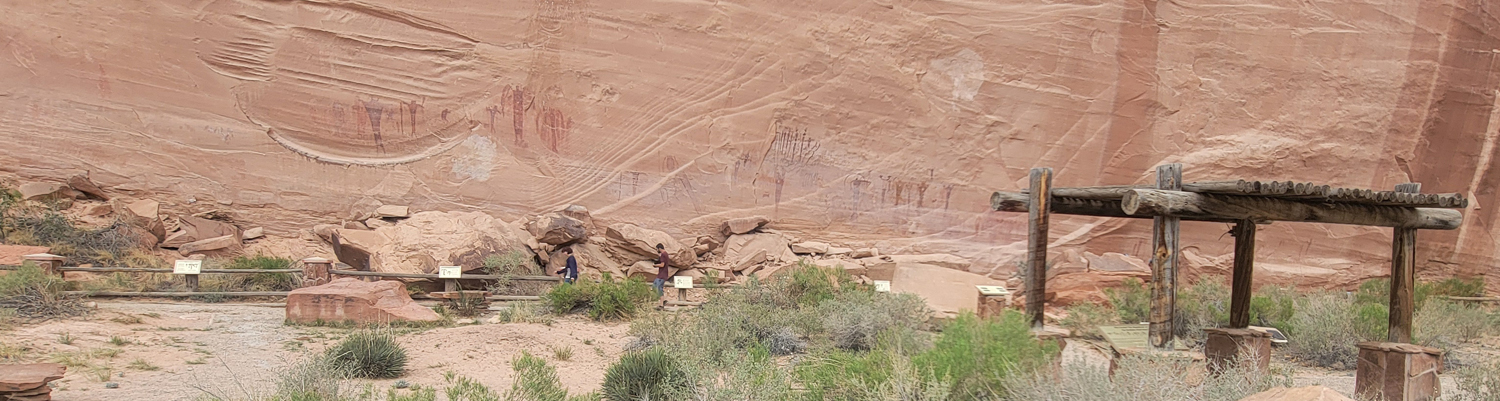
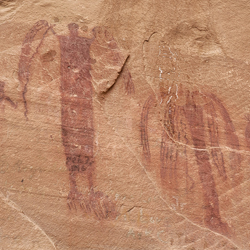
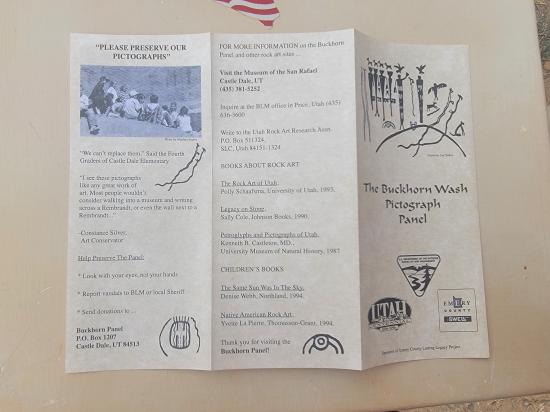
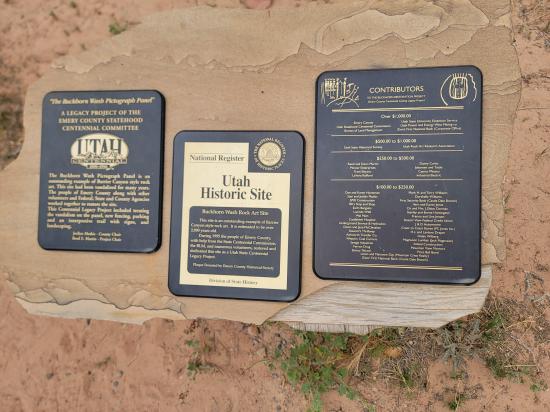
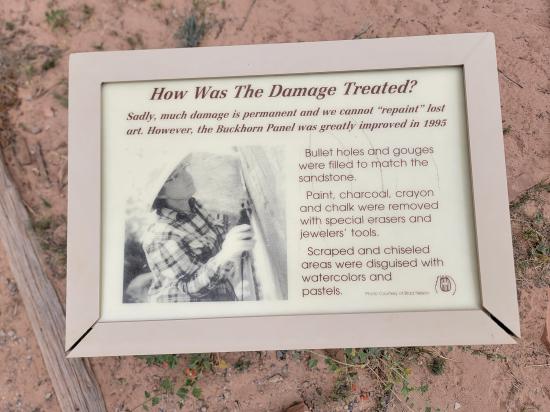
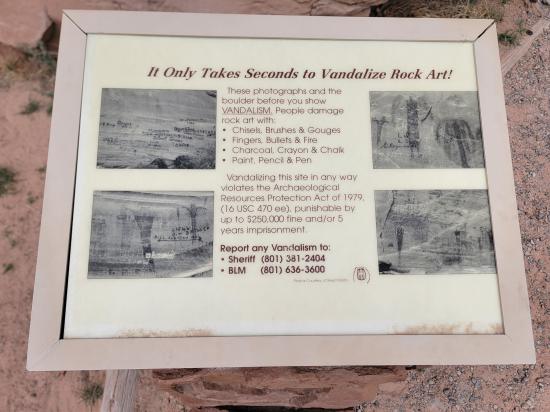
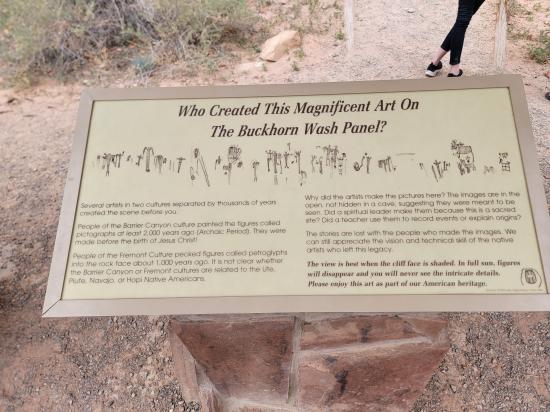
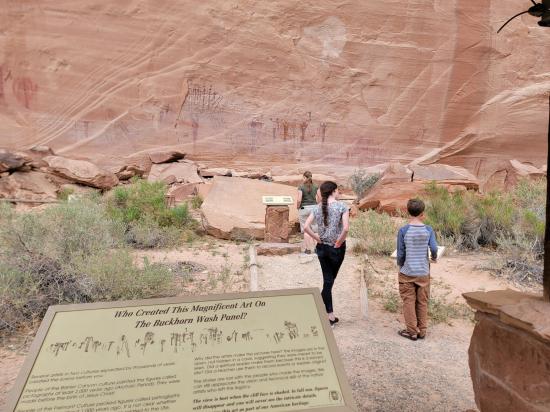
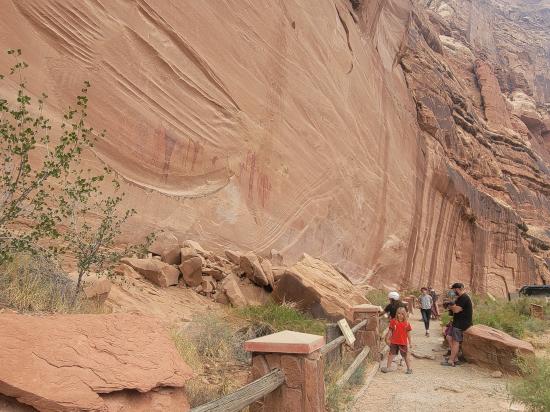
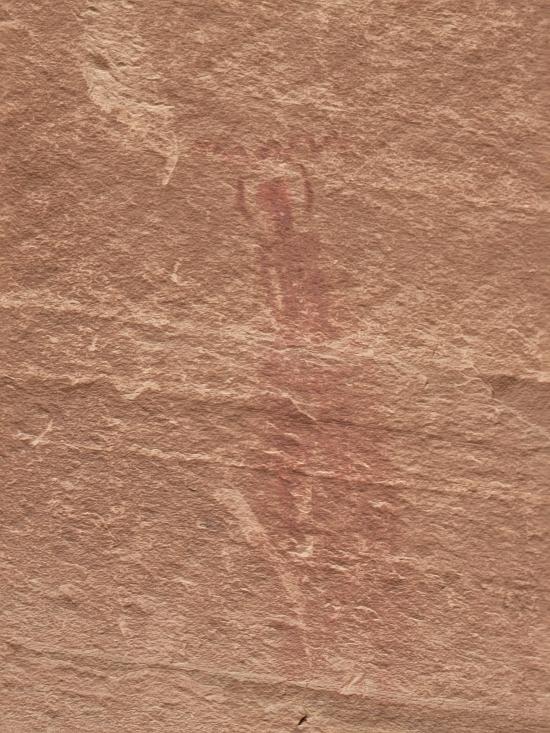
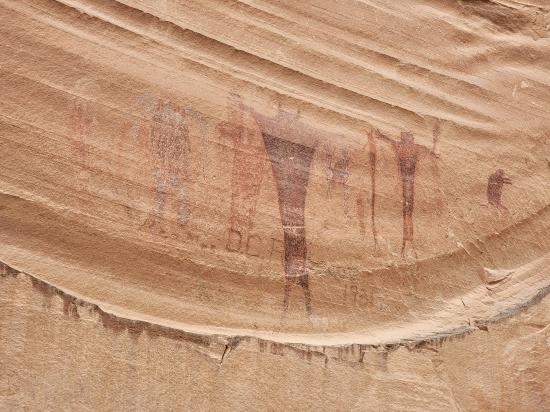
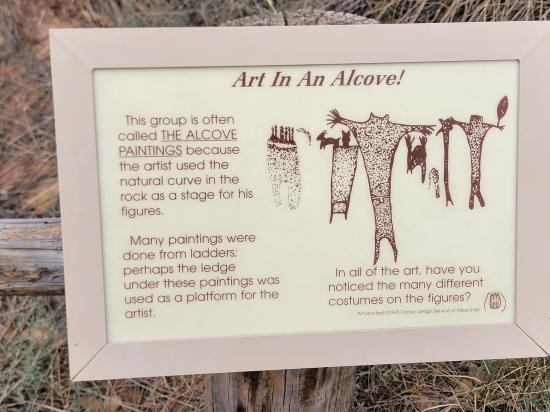
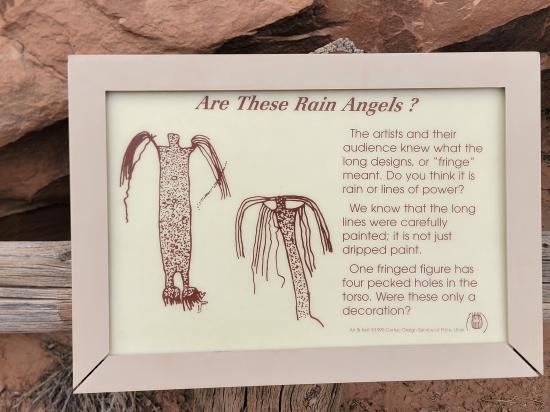
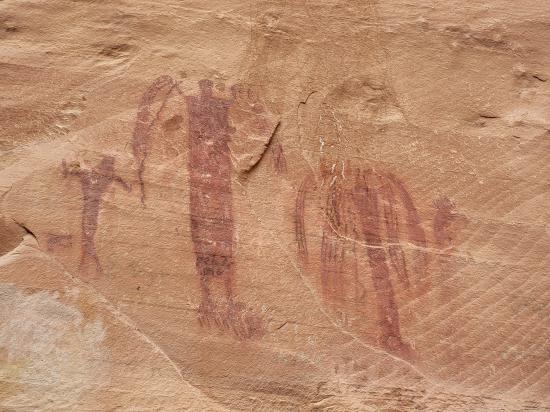
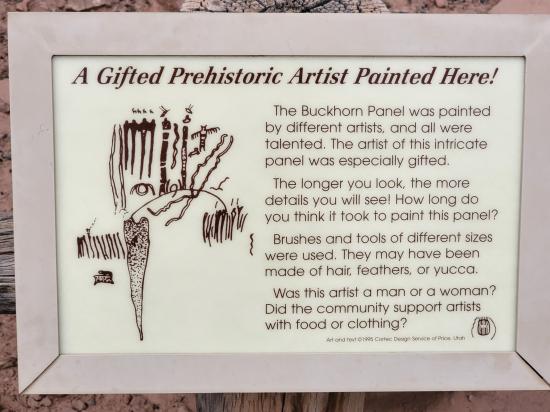
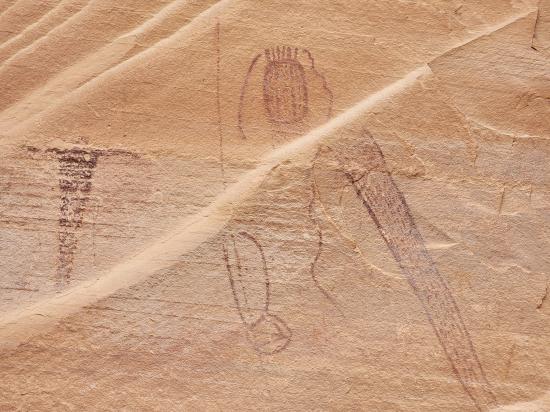
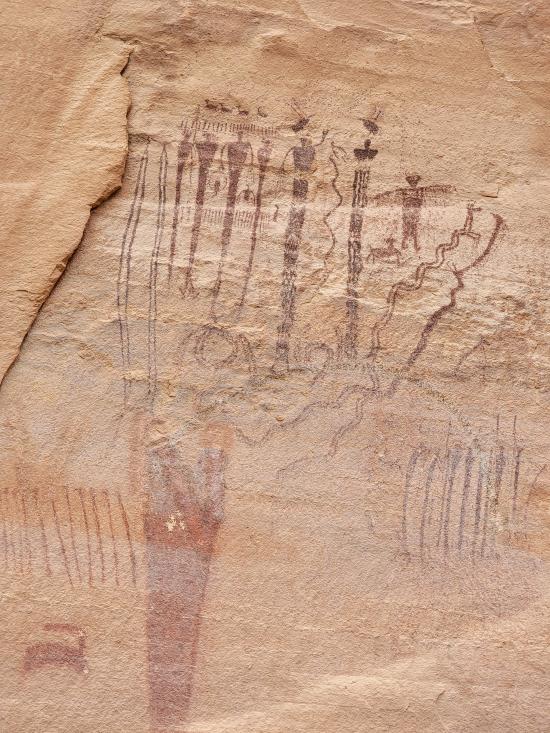
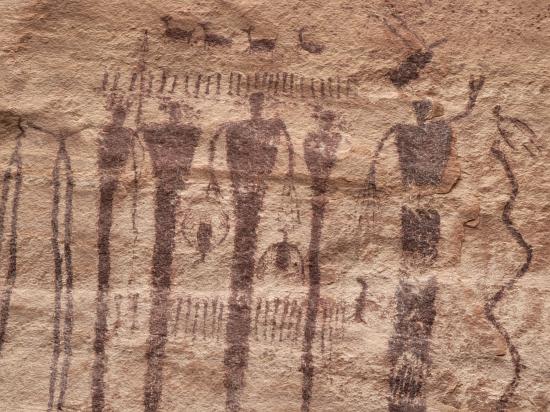
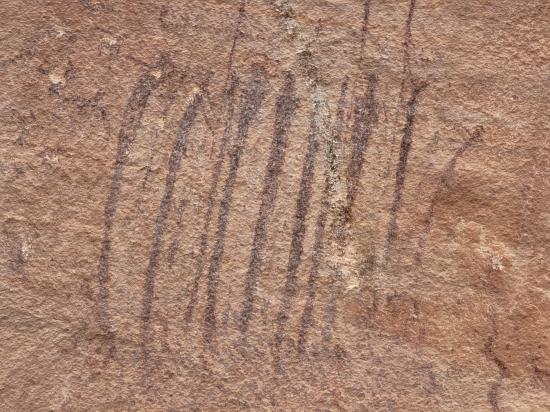
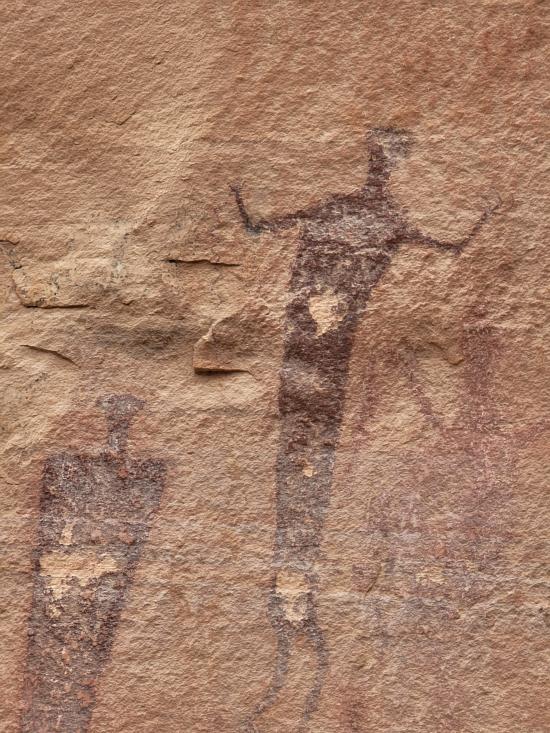
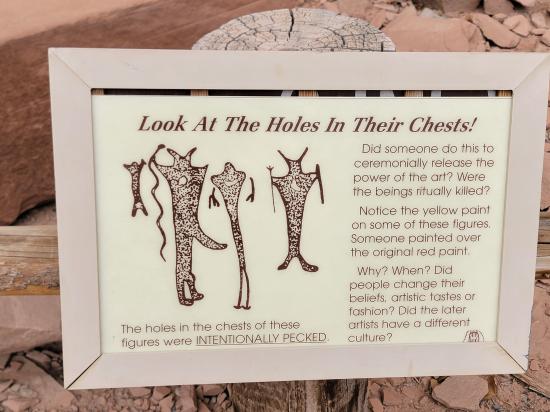
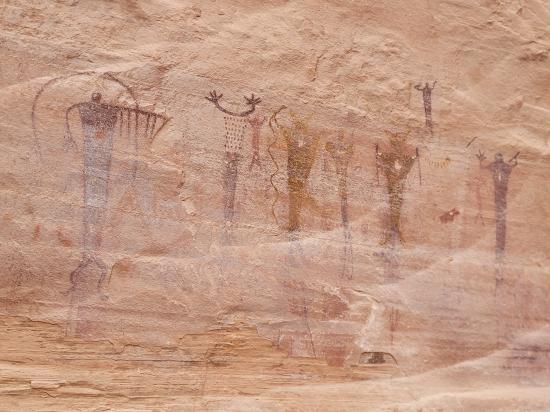
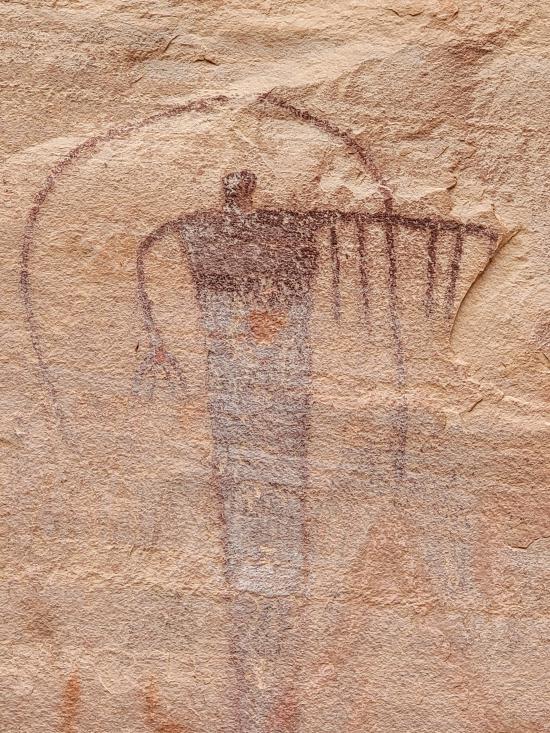
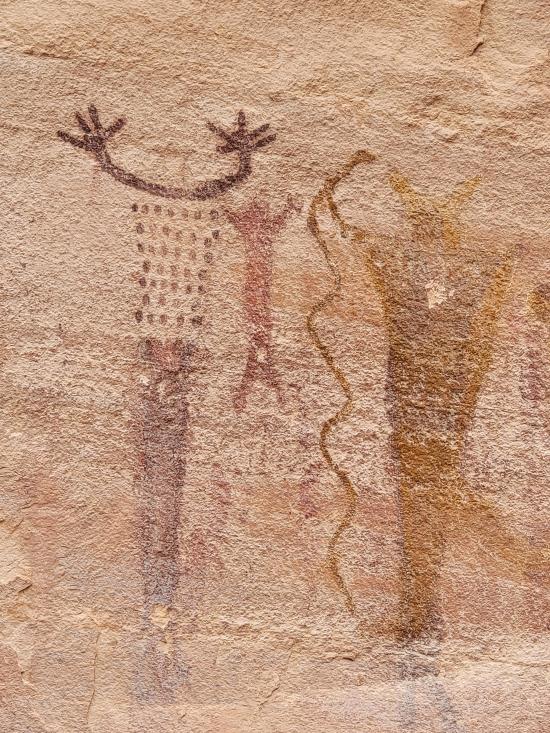
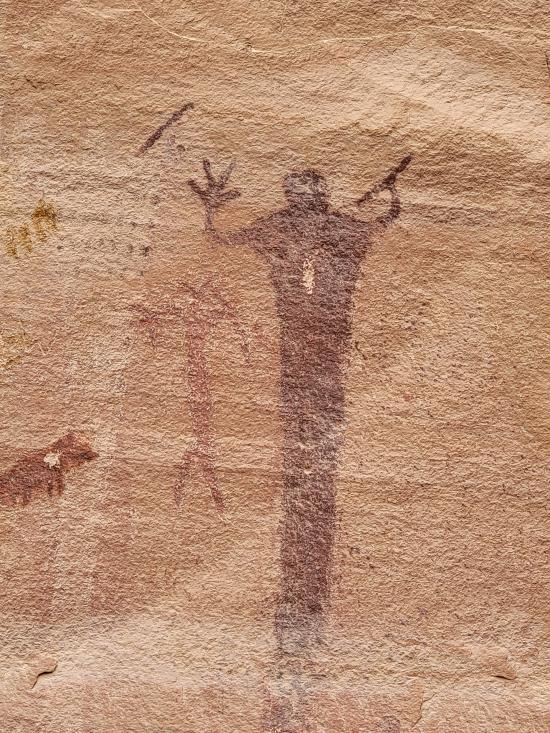
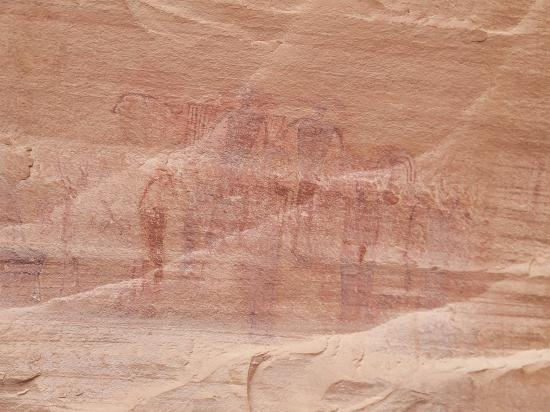
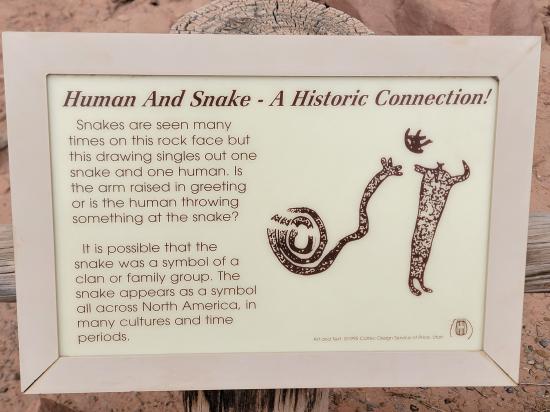
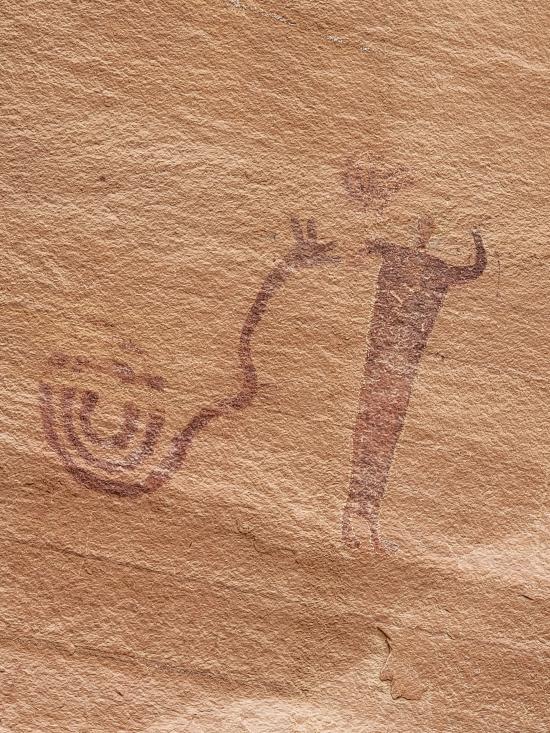
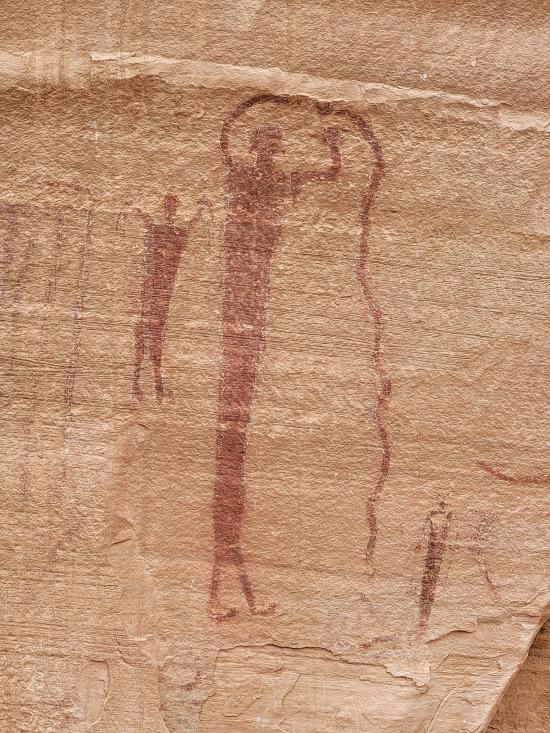
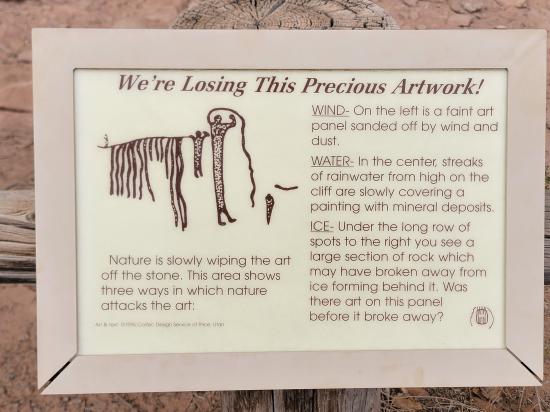
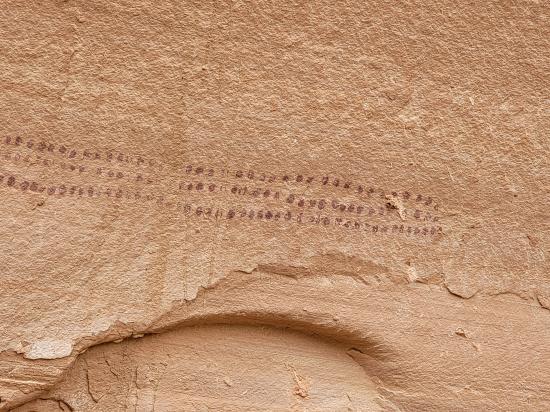
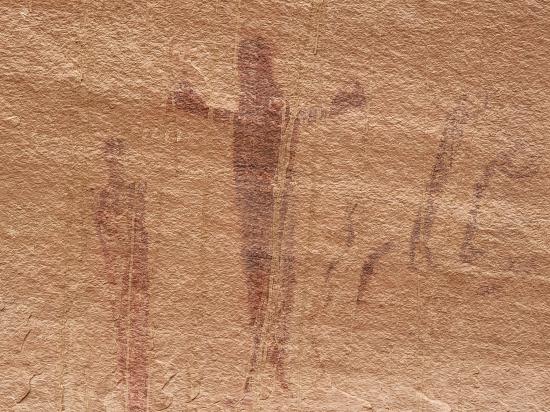
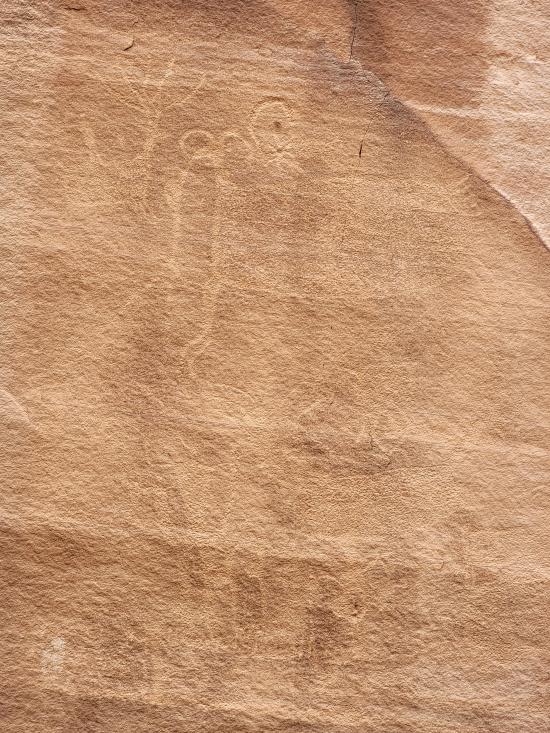
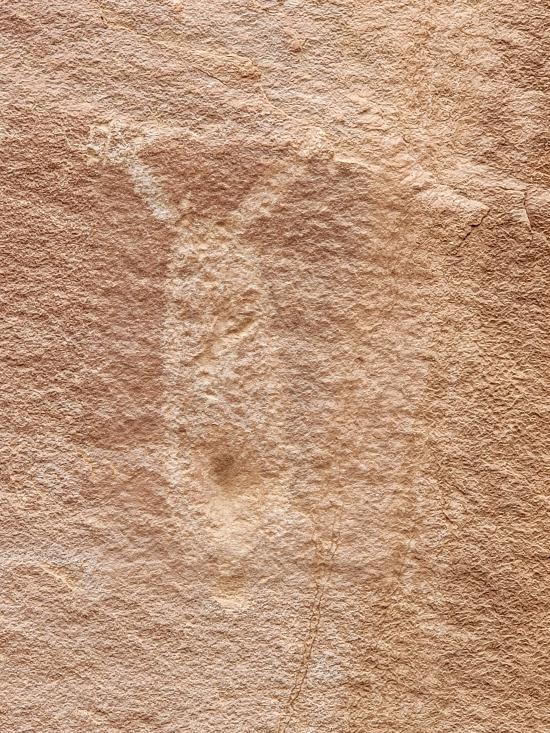
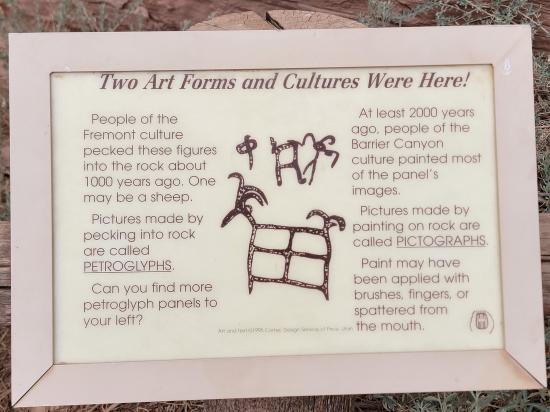
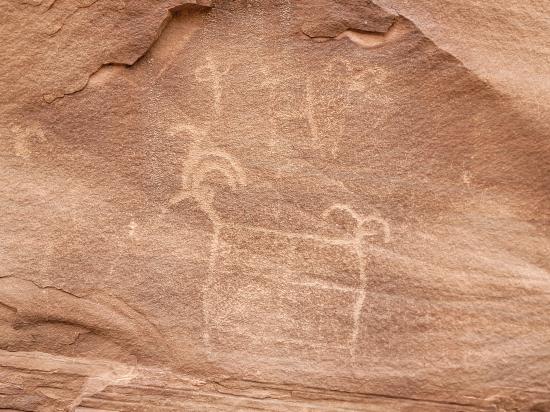
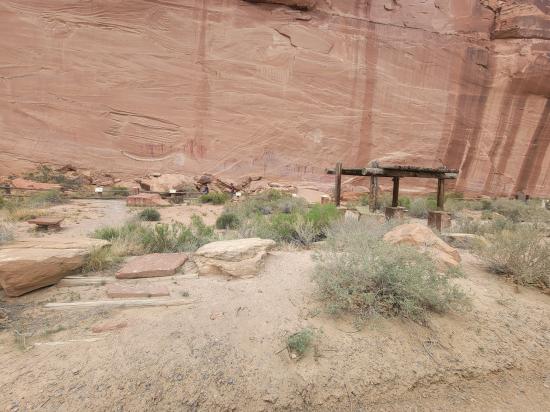
Situated along the scenic Buckhorn Wash Road, this site offers visitors a chance to view one of Utah’s most accessible and impressive examples of prehistoric art. The panel spans a large sandstone cliff face adorned with life-sized anthropomorphic figures, animals, and abstract symbols painted in red, brown, and orange hues. These images are remarkably well-preserved and provide a glimpse into the spiritual and cultural life of the region’s early inhabitants. Primarily a Barrier Canyon Style panel, there are a few later petroglyphs of Fremont culture origin as well. In many cases the Fremont painted figures on top of the older Barrier Canyon ones.
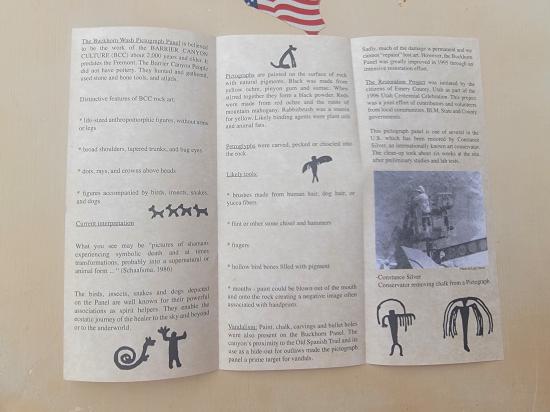
Barrier Canyon Style (BCS) describes a distinctive style of rock art which appears mostly in Utah, with the largest concentration of sites in and around the San Rafael Swell and Canyonlands National Park, but the full range extends into much of the state and western Colorado. Barrier Canyon Style rock art panels are mostly pictographs (painted) but there are also several petroglyphs (pecked) in the style. These panels are believed to have been created during the archaic period (probably late archaic) and are estimated (from direct and indirect carbon 14 dates) to be somewhere in the range of 1500 to 4000 years old, possibly older.
Fremont rock art is characterized by its stylized and symbolic depictions, including trapezoidal human figures often decorated with headdresses and necklaces, bighorn sheep, and hunting scenes. The Fremont people inhabited sites in what is now Utah and parts of Nevada, Idaho, Wyoming and Colorado from AD 1 to 1301 (2,000–700 years ago).
Beyond its archaeological significance, Buckhorn Wash lies within the striking desert landscape of the San Rafael Swell, a region characterized by deep canyons, towering rock formations, and sweeping vistas that attract hikers, photographers, and history enthusiasts alike. Visitors can access the site via a well-maintained dirt road, suitable for most vehicles in good weather, and a small parking area provides easy walking access to the panel.
Because the area is remote, amenities are limited, so travelers should bring sufficient water, fuel, and supplies. The best times to visit are during the cooler months, as summer heat can be intense and flash floods are possible in late summer. The site’s combination of natural beauty and cultural heritage makes it one of Utah’s must-see destinations for those interested in ancient art and desert exploration.
Time:
Fees: None
Recommended Ages:
 | 0-3 |
 | 4-11 |
 | 12-19 |
 | 20-49 |
 | 50-69 |
 | 70+ |
Recommended Months to Visit:
| Jan |
| Feb |
| Mar |
| Apr |
| May |
| Jun |
| Jul |
| Aug |
| Sep |
| Oct |
| Nov |
| Dec |
Links: https://www.blm.gov/visit/buckhorn-panelhttps://www.gjhikes.com/2014/01/buckhorn-wash-pictograph-panel.htmlhttps://www.climb-utah.com/SRS/buckhorn.htmhttps://en.wikipedia.org/wiki/Buckhorn_Draw_Pictograph_Panel
By Jeremy Dye
On Sunday morning, we double-checked to make sure the pharmacy would be open when we got there and discovered it was actually closed on Sundays. So instead, we drove down Buckhorn Wash Road. We drove down to Swinging Bridge and worked our way back up the road, stopping at various sites along the way.
 Lower Cedar Mountain Road Primitive Camping
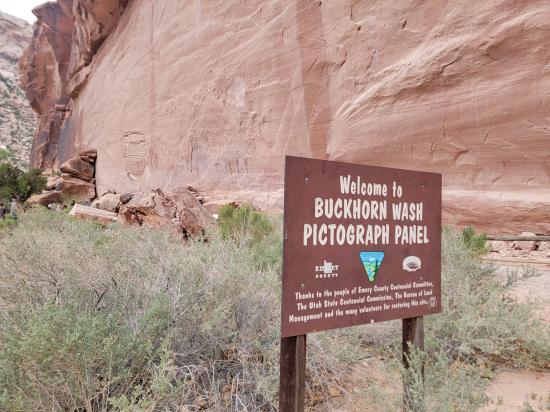
 Buckhorn Wash Pictograph Panel
Buckhorn Draw Dinosaur Footprint
Camp Sites: Lower Cedar Mountain Road Primitive Camping
 Caving: Fun Places:
 Buckhorn Draw Dinosaur Footprint
Buckhorn Wash Pictograph Panel
Cleveland-Lloyd Dinosaur Quarry
San Rafael River Swinging Bridge
 Hiking:
  Indoors:
  Petroglyphs and Pictographs
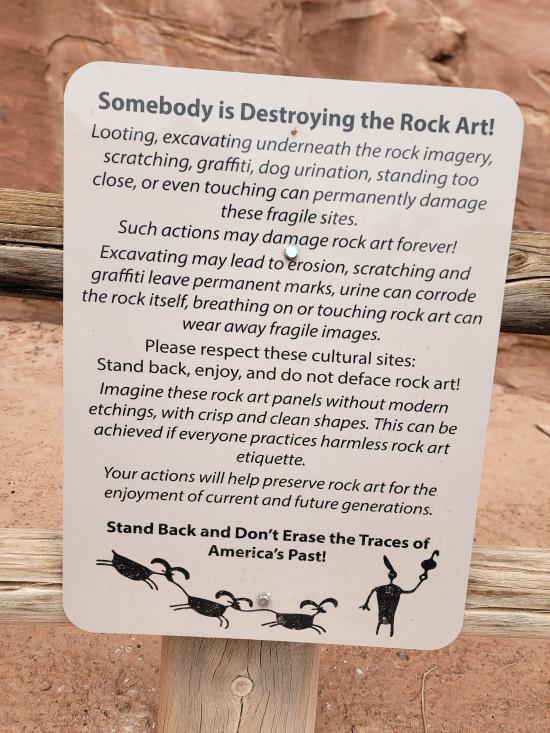
 Interpretive Signs
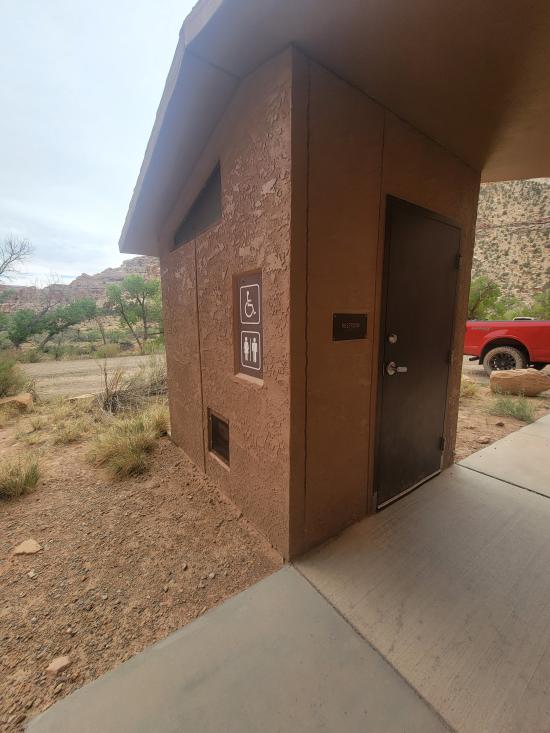
 Restrooms - Vault
 Road Access is Dirt - Low Clearance
 Access Road is 2WD Accessible